
Feel safer inside
Helping you feel safer inside with evidence-based counselling, mindfulness support and workshops
Especially if you care for others and/or live with chronic pain
Sometimes life gives you more than you can cope with.
Your body might feel like it’s working against you with physical pain, discomfort or fatigue making even little things feel hard.
Your might feel like your mind is in overdrive - over-thinking or worrying.
Your emotions might feel harder to manage. Feelings like anxiety, frustration, sadness and guilt may easily take you over and stay too long.
At times, it may all feel relentless and exhausting - like you just can’t ‘get it together’ no matter how hard you try.
You may also find yourself behaving in ways you that don’t like, that do not reflect who you really are or who you want to be.
If any of this resonates with you, it may be time to reach out for some support.

Welcome, my name is Sophie Banks
I’m a professional registered counsellor and meditation teacher with lived experience of chronic pain.
I offer counselling, meditation and mindfulness and nervous system-informed support designed to “in-power” you to feel safer inside and re-gain control.
Support for People
I work with people:
living with persistent pain, chronic illness and disability, and
parents or professionals who care for children or vulnerable adults who are under significant pressure, either at home or at work and need more tools in their tool-kit.
Support for Organisations
I also support organisations with self-regulation and mindfulness-based programs for staff, especially:
child-related organisations, and
organisations that work with vulnerable adults.
In addition, I offer free monthly meditation sessions at the:
Cancer Patients Foundation (Look Good Feel Better), and
Chronic Pain Australia.
-
![Cartoon illustration of a cute blue blobby character feeling overwhelmed with hands over eyes, stressed facial expression, and little yellow squiggly lines around body to indicate stress.]()
Stress and anxiety.
When life’s pressures won’t let up, or exceed your capacity to cope, it can feel overwhelming
-
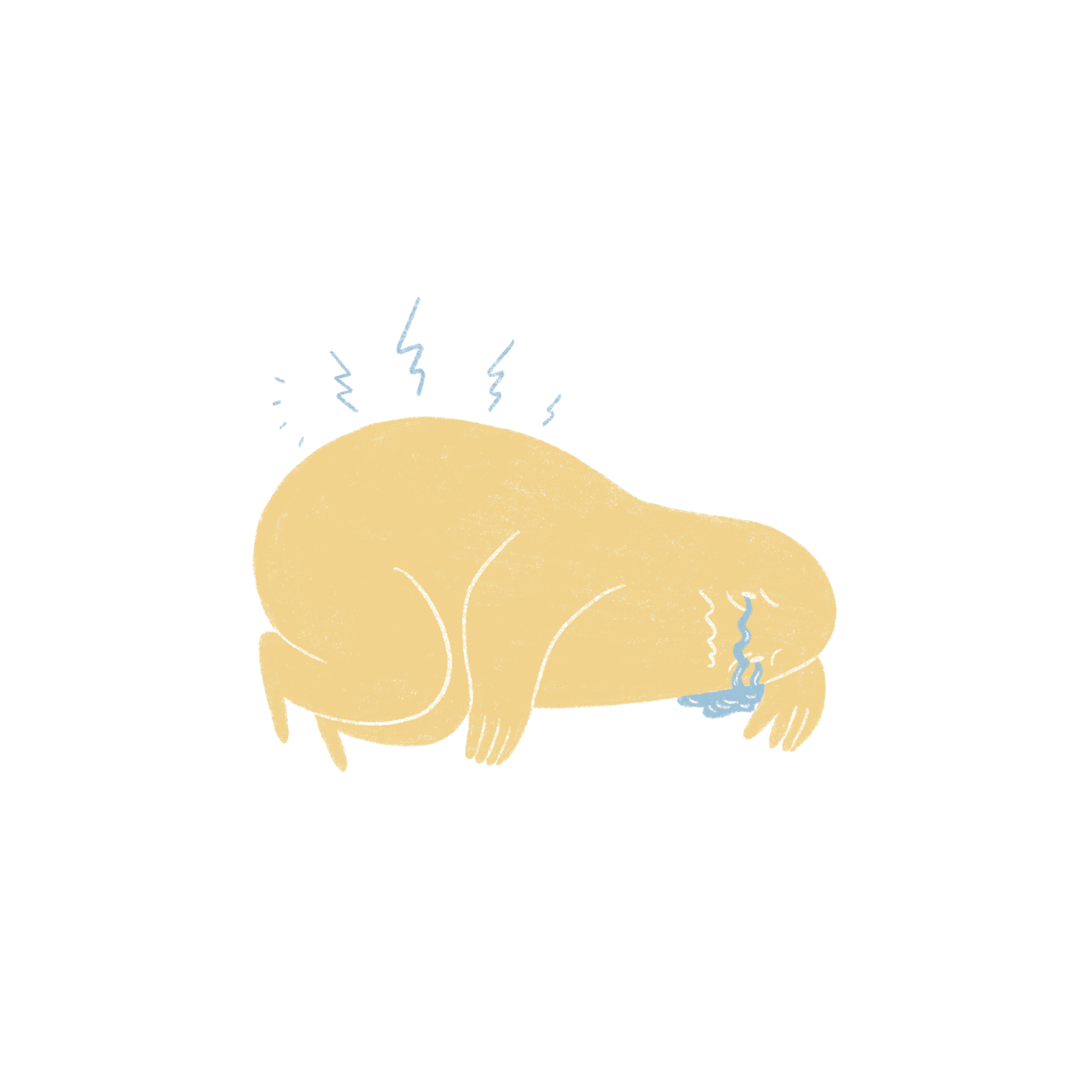
![Cartoon illustration of a cute yellow blobby character lying down on its side with bad back pain, resting head on wrist, knees curled up, sad facial expression, crying.]()
Chronic Pain.
When you’re in constant physical pain, it impacts every aspect of your life and can feel hopeless
-
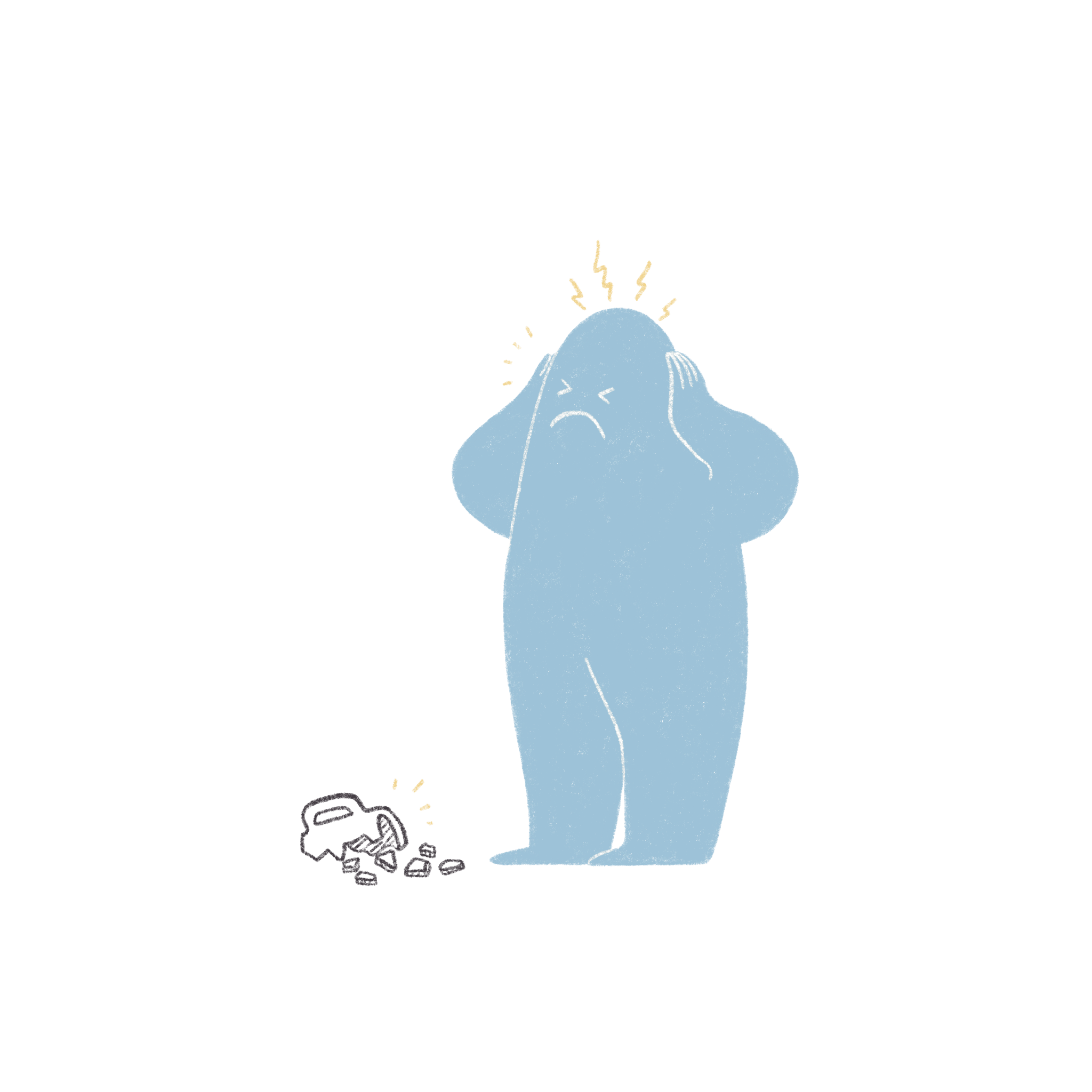
![Cartoon illustration of a cute blue blobby character feeling stressed-out with hands over its ears, upset facial expression and little yellow lightning bolts above its head. On the ground next to the character is a smashed mug.]()
Difficulty coping.
When you’re running on empty, little things can feel enormous and tip you over the edge

“You can’t control the waves, but you can learn how to surf.”
— Jon Kabat-Zim
Are you experiencing any (or all) of these symptoms?
-
Feeling emotionally exhausted, overwhelmed or emotionally low (i.e. running on empty)
Feeling “on edge” (e.g. getting snappy or teary or reactive with children or with others)
Struggling to relax or be still, to fall asleep, stay asleep or wake up
Overthinking, ruminating (getting stuck on a problem) and feeling anxious
Feeling like there are too many tabs open in your brain
Finding it hard to prioritise self-care and healthy habits
Over-consuming (food, alcohol, drugs, shopping, social media etc.)
Under-consuming (healthy food, water)
Losing your self-confidence, self-belief, self-trust - including as a caregiver
Losing the desire to socialise, feeling like it’s too hard
Experiencing physical aches, pains (e.g. stomach, chest, or head)
Noticing changes to your libido, skin, hair quality
Getting sick more often
Generally feeling stuck, frozen, or longing for a major escape or change
-
Experiencing persistent physical pain (lasting 3+ months), with or without a diagnosis
Struggling to cope with diminished function, abilities, caregiving
Feeling scared, lonely, frustrated, anxious or worried about the future
Worried about yourself and how this is affecting your children or relationships or work
Looking for solutions, or to better understand your experience
Constantly monitoring, analysing or researching your symptoms, their cause
Having difficulty coping, asking for help, getting help or finding hope
Feeling frequent irritation, annoyance, anger, frustration due to the pain
Experiencing guilt, shame, self-blame about the impact on others including children
Comparing yourself to other caregivers, feeling less than
Putting pressure on yourself, judging yourself harshly
Feeling disempowered, invalidated, unseen, unsupported, misunderstood
At the point where pain is dominating your life, and it’s hard to see a way out
-
Behaving in ways you don’t like or want around children or others
Finding even small things overwhelm you, leading to a big reaction
Feeling hijacked by intense emotions
Experiencing feelings guilt or shame, wanting to be different
Trying to be different, but intense emotions keep taking over
Getting disappointed and finding it hard to “bounce back” or stay positive
Feeling like you a stuck in a cycle of reactivity and guilt
Trying (unsuccessfully) to avoid situations that trigger you
Finding it hard to make decisions, feeling overwhelmed by options
Resonating with any of the symptoms for stress and or pain (both of which impact regulation)
Generally struggling to show up in a way that reflects who you really are and how you want to be in the world
-
![Cartoon illustration of a cute blue blobby character floating in the air in a blissful state.]()
Find Calm.
Let’s work together to navigate life’s challenges, regulate your baseline state, and cultivate calm and life balance.
Identify your life stressors, as well as your stress signature and set some realistic goals for meaningful, values aligned change. Recalibrate your nervous system towards peace and calm.
In-power yourself with practical, evidence-based strategies to reduce stress and expand your window of tolerance.
-
![Cartoon illustration of a cute yellow blobby character standing with one hand on heart, feeling happy and peaceful.]()
Reduce Pain's Impact.
Let’s work together to validate your pain experience, leverage pain science to your full advantage and increase your sense of inner safety.
Identify your available resources, honour your emotions, apply evidence-based strategies and set manageable goals to slowly but surely feel safer inside.
In-power yourself with knowledge, tools and self-compassion to create a new relationship with pain and reclaim your life.
-
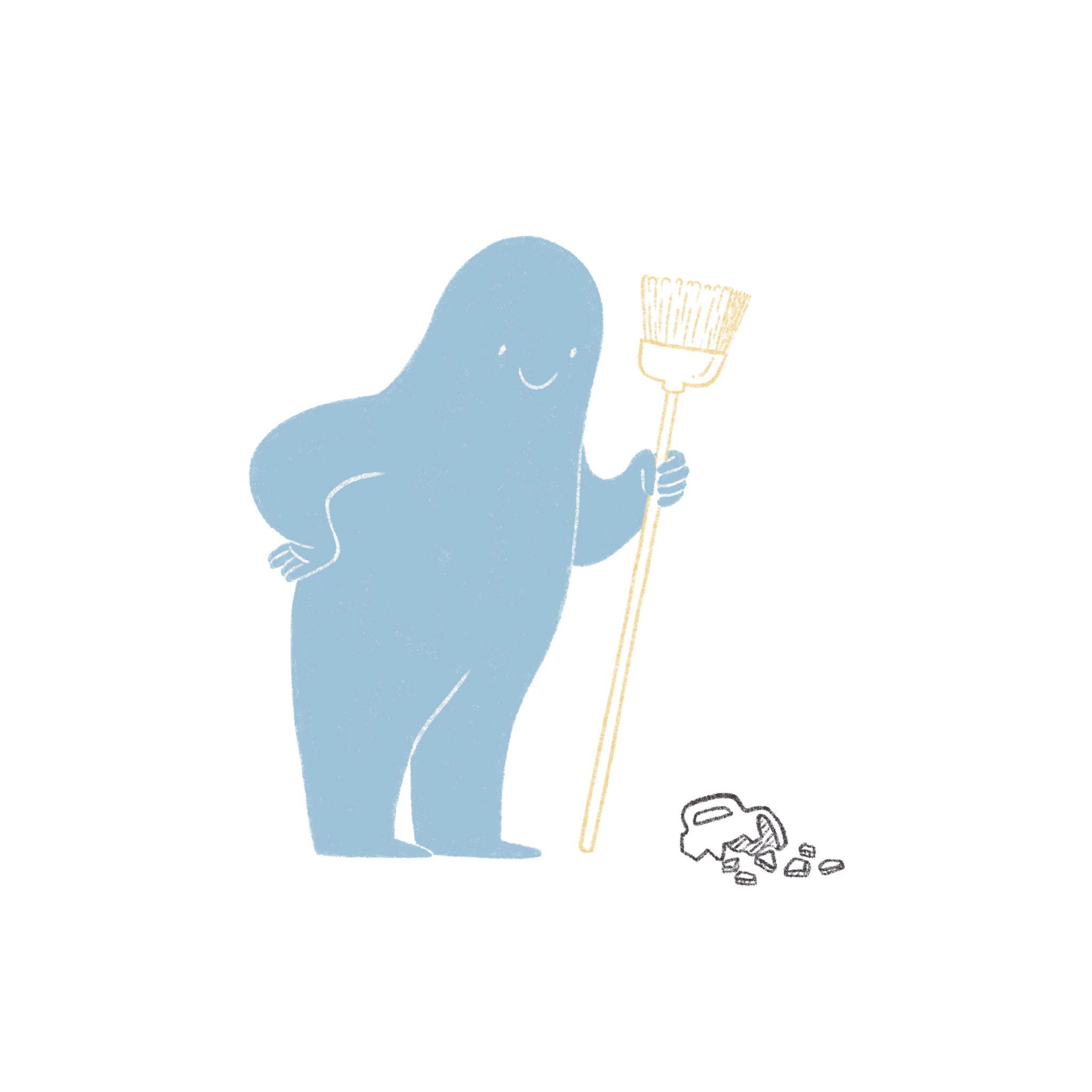
![Cartoon illustration of a cute blue blobby character holding a broom smiling while looking down at a smashed cup on the floor..]()
Increase Coping.
Let’s work together to fill up your tank, so you feel resourced to respond to life’s challenges.
Identify your triggers in a judgment-free, supportive environment. Practice self-compassion and learn practical techniques to increase your ability to respond mindfully rather than react.
In-power yourself with evidence-based strategies to find calm and share safety - even on those hard days.


Inner Safeguarding provides specialised support to caregivers and those living with chronic pain who want to feel more “in-powered.”
Get support tailored to your specific needs
Individual sessions can help you get back on track, equip you with practical strategies tailored specifically to your needs and goals, and support you to increase your sense of inner safety and calm.
I offer both individual counselling sessions, as well as meditation and mindfulness coaching sessions.
I have a special interest in mind-body approaches to nervous system regulation and pain management.
For those seeking support with pain, I note that I have lived experience (so I truly understand the challenges). I am trained in both Pain Reprocessing Therapy and Explain Pain.
Click on the buttons below to learn more or simply send me an email to discuss your specific needs.
Individual counselling sessions

Inner Safeguarding offers workshops to ‘in-power’ people who work with children and vulnerable adults, equipping staff with tools and skills to respond more mindfully under pressure - especially when managing challenging behaviours.
Support for staff at your organisation
Workplace workshops

People who care for others need a greater capacity to tolerate stress and challenge, so that they can respond mindfully under pressure.
. Being proactive about staff wellbeing and trauma informed approaches is essential to manage risks and promote safety.
Workplace workshops in-power staff with a tool-kit of practical strategies to find calm, and respond rather than react even in challenging moments with others.
“When you get the inside right, the outside falls into place”
— Eckhart Tolle